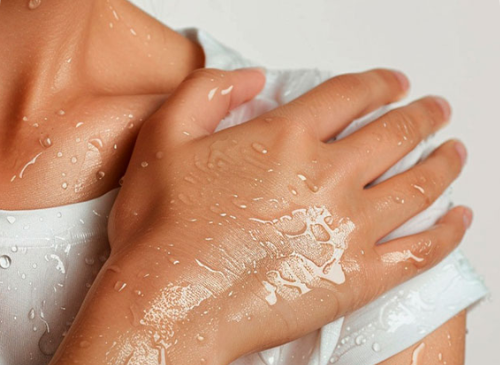
Constantly wet hands, sweat stains on clothes, unpleasant odor, and ongoing discomfort — these are classic signs of hyperhidrosis, or excessive sweating. This is not just a personal trait — it’s a medical condition that can be treated.
Genetic predisposition
Stress and emotional tension
Hormonal imbalances (puberty, menopause, thyroid issues)
Nervous system disorders
Side effects of certain medications
Palmar hyperhidrosis – sweaty hands, difficulty with handshakes and writing
Axillary hyperhidrosis – sweat marks under the arms, odor
Plantar hyperhidrosis – sweaty feet, discomfort, risk of fungal infections
Generalized hyperhidrosis – affects the whole body
🔹 People avoid handshakes
🔹 Only wear dark or loose clothes
🔹 Feel embarrassed in public
🔹 Skin irritation, fungal infections may develop
Our specialists offer personalized care after detailed evaluation:
Consultation with a dermatologist or neurologist
Minor’s test (iodine-starch) to locate sweat zones
Hormonal blood tests and thyroid ultrasound
Skin assessment for secondary complications
Botox injections – block sweat glands for 6–8 months
Medical-grade antiperspirants
Iontophoresis – non-invasive physiotherapy for hands and feet
Medications
Surgical treatment – in severe cases
📅 Remember: Hyperhidrosis is not just a minor issue — it’s a treatable condition.
At Kimyo University Hospital, we provide discreet and professional care.
Book an appointment today — and feel dry, confident, and free again.