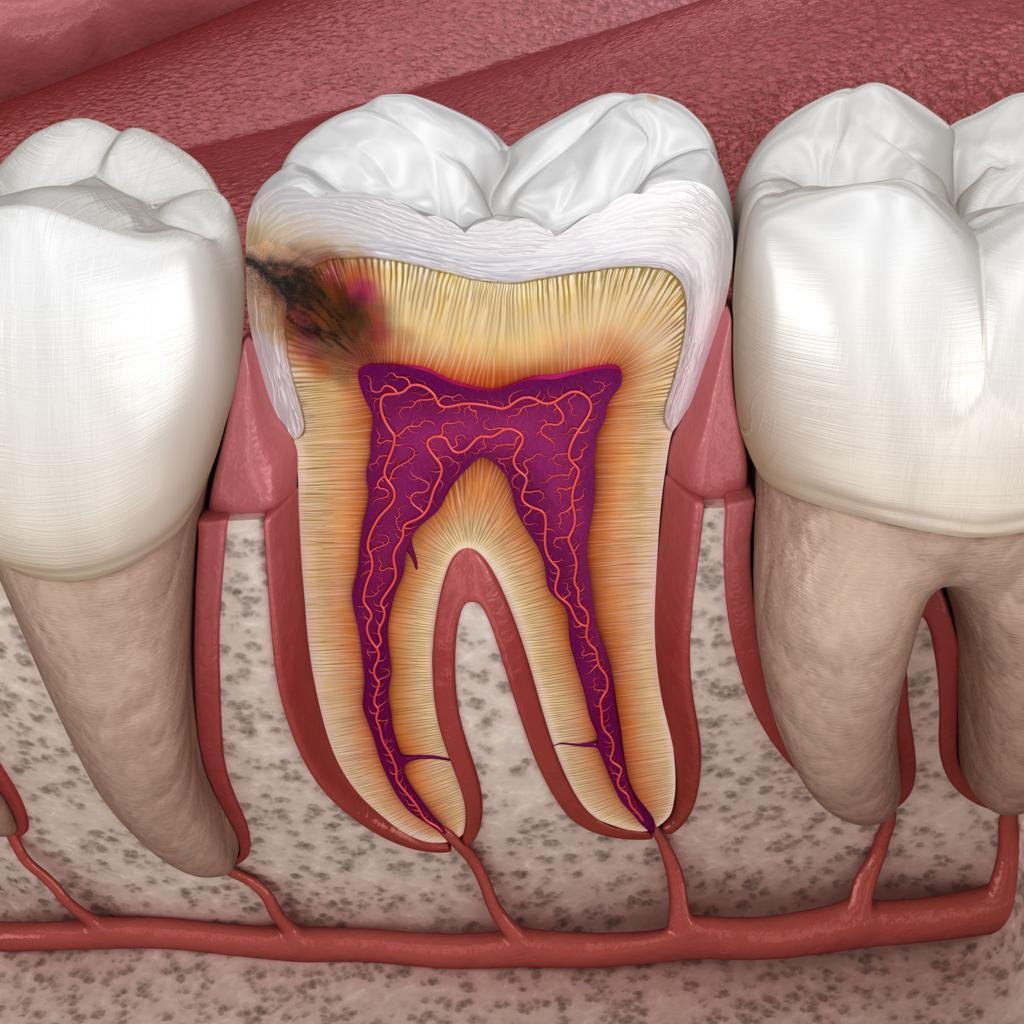
Dental caries, commonly known as tooth decay, is one of the most common dental conditions affecting both adults and children. In its early stages, it may develop without noticeable pain or discomfort. However, if left untreated, tooth decay can lead to significant damage to the tooth, inflammation of the dental pulp and other complications.
The specialists at Kimyo University Hospital explain why dental caries develops, how to recognise its early symptoms and which modern treatment methods can help preserve your natural teeth.
Dental caries is the gradual destruction of the hard tissues of the teeth caused by acids produced by bacteria in dental plaque.
When people consume foods and drinks containing sugar and other fermentable carbohydrates, bacteria in the mouth produce acids. These acids gradually weaken tooth enamel and contribute to the development of tooth decay.
The main risk factors include:
Poor oral hygiene. The accumulation of dental plaque creates favourable conditions for bacterial growth.
Frequent consumption of sugary foods. Sugar and other fermentable carbohydrates contribute to acid production.
Insufficient fluoride exposure. Fluoride helps strengthen tooth enamel and improve its resistance to acid attacks.
Reduced saliva production. Saliva plays an important role in neutralising acids and naturally protecting the teeth.
Irregular dental check-ups. Early signs of tooth decay may remain unnoticed for a long time.
In its early stages, tooth decay does not always cause pain. Therefore, it is important to pay attention to even minor changes in the condition of your teeth.
The most common symptoms include:
White, brown or dark spots appearing on the tooth surface.
Increased sensitivity to cold, hot or sweet foods and drinks.
Discomfort when chewing.
Small holes or cavities developing in the teeth.
Food frequently getting trapped between certain teeth.
Toothache that may become more severe as the condition progresses.
It is important to remember that the absence of pain does not mean that tooth decay is not present. In some cases, dental caries is detected only during a routine dental examination.
Dental caries progresses through several stages depending on how deeply the tooth tissues are affected.
1. Initial Caries
A white, chalky spot appears on the tooth enamel. At this stage, a cavity may not yet have formed. If detected early, the process can sometimes be stopped with fluoride treatment and remineralisation therapy.
2. Superficial Caries
The damage affects the outer layer of the enamel. Some patients may experience sensitivity to sweet, cold or hot foods and drinks.
3. Moderate Caries
The decay spreads into the dentin, the tissue located beneath the enamel. Discomfort during eating and increased tooth sensitivity may occur.
4. Deep Caries
The decay affects the deeper layers of dentin and approaches the dental pulp, which contains nerves and blood vessels. This increases the risk of inflammation and further complications.
The appropriate treatment depends on the stage of the disease, the depth of the damage and the individual condition of the affected tooth.
Modern dentistry offers several treatment options:
Remineralisation Therapy
This approach may be used during the early stages of tooth decay, before a cavity has formed. Special products containing fluoride and other minerals help strengthen the enamel and slow down the progression of tooth decay.
Dental Fillings
When a cavity has developed, the dentist removes the decayed tissue and restores the damaged area using a suitable filling material. This helps restore the tooth's shape and chewing function.
Endodontic Treatment (Root Canal Treatment)
If tooth decay causes inflammation or damage to the dental pulp, root canal treatment may be necessary. During the procedure, the dentist cleans the root canals, removes the affected tissue and seals the canals with a suitable filling material.
Restoration of Severely Damaged Teeth
If a tooth has suffered extensive damage, the dentist may recommend additional restorative procedures, including the placement of a dental crown. The appropriate treatment is determined after a clinical examination.
Prevention plays an important role in maintaining good oral health. Following simple daily habits can significantly reduce the risk of developing tooth decay.
Dental professionals recommend:
Brushing your teeth at least twice a day with fluoride toothpaste.
Using dental floss or interdental brushes.
Limiting frequent consumption of sweets and sugary drinks.
Drinking enough water throughout the day.
Attending regular dental check-ups.
Having professional dental cleaning when recommended by your dentist.
It is particularly important to monitor children's dental health, as good oral hygiene habits should be established from an early age.
You should not wait until severe toothache develops before seeking dental care. It is advisable to visit a dentist if you notice changes in enamel colour, increased tooth sensitivity or visible damage to the tooth surface.
If you experience severe pain or swelling of the gums or face, seek medical attention without delay.
Early examination helps identify dental problems at an earlier stage and allows the dentist to choose an appropriate treatment plan.
Dental caries is a common condition that can lead to serious dental complications if left untreated. Good oral hygiene, a balanced diet and regular dental check-ups help maintain healthy teeth and reduce the need for complex dental procedures.
Kimyo University Hospital encourages everyone to take care of their oral health and consult a dentist as soon as the first symptoms appear. Early diagnosis is an important step towards maintaining a healthy and beautiful smile.