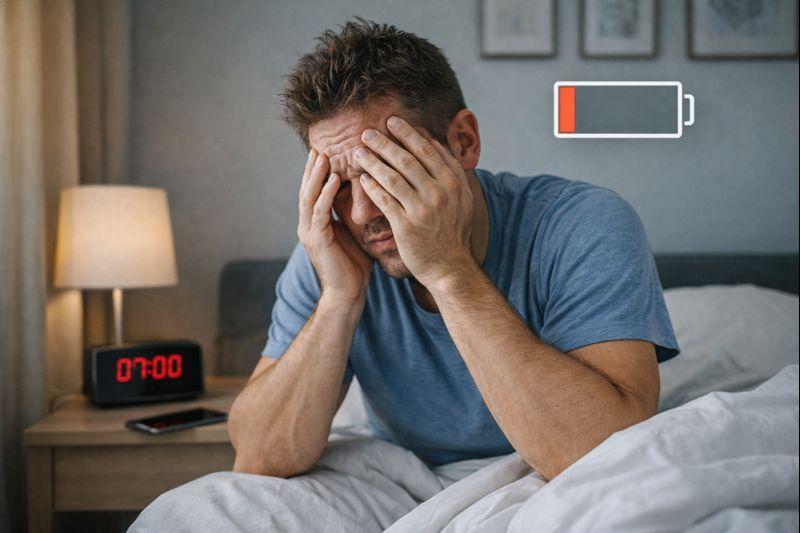
Many people note that even after sufficient sleep, they do not feel refreshed in the morning. Instead, they experience sluggishness, reduced concentration, and a feeling that the body has not fully recovered. If this condition occurs occasionally, it is usually not related to health problems. However, regular fatigue after sleep is a reason to pay closer attention to your well-being.
Not only sleep duration matters: morning well-being depends not only on the number of hours slept, but also on sleep quality. Shallow or interrupted sleep may prevent the body from fully recovering.
Among the possible factors:
irregular sleep–wake schedule;
frequent nighttime awakenings;
use of electronic devices before bedtime;
emotional tension and stress.
Even with a normal sleep duration, the feeling of fatigue may persist.
The modern pace of life is often accompanied by constant fatigue and a lack of proper rest. Insufficient physical activity, unbalanced nutrition, high mental workload, and chronic stress can accumulate and affect sleep quality. Sometimes, the feeling of fatigue is a signal that the body needs a pause or a revision of the usual routine.
In most cases, fatigue after sleep is not associated with serious problems. However, there are situations when consulting a doctor is especially important.
You should see a specialist if fatigue:
persists for several weeks and does not decrease;
significantly affects work performance, attention, and memory;
is accompanied by a general deterioration in well-being;
appears without obvious reasons and causes concern.
Attempts to cope with persistent fatigue on your own — using coffee, energy drinks, or “weekend rest” — often provide only temporary relief. To understand the cause of this condition, a comprehensive approach is required.
At Kimyo University Hospital, you can consult a neurologist who will assess the functioning of the nervous system, sleep quality, and fatigue levels, and help determine whether your condition is related to overwork, stress, or functional changes.
If necessary, all recommended tests and examinations can be completed at the clinic in one place and at a convenient time. This helps avoid unnecessary visits, eliminates the need for self-selecting tests, and allows you to receive a clear and comprehensive assessment of your health.