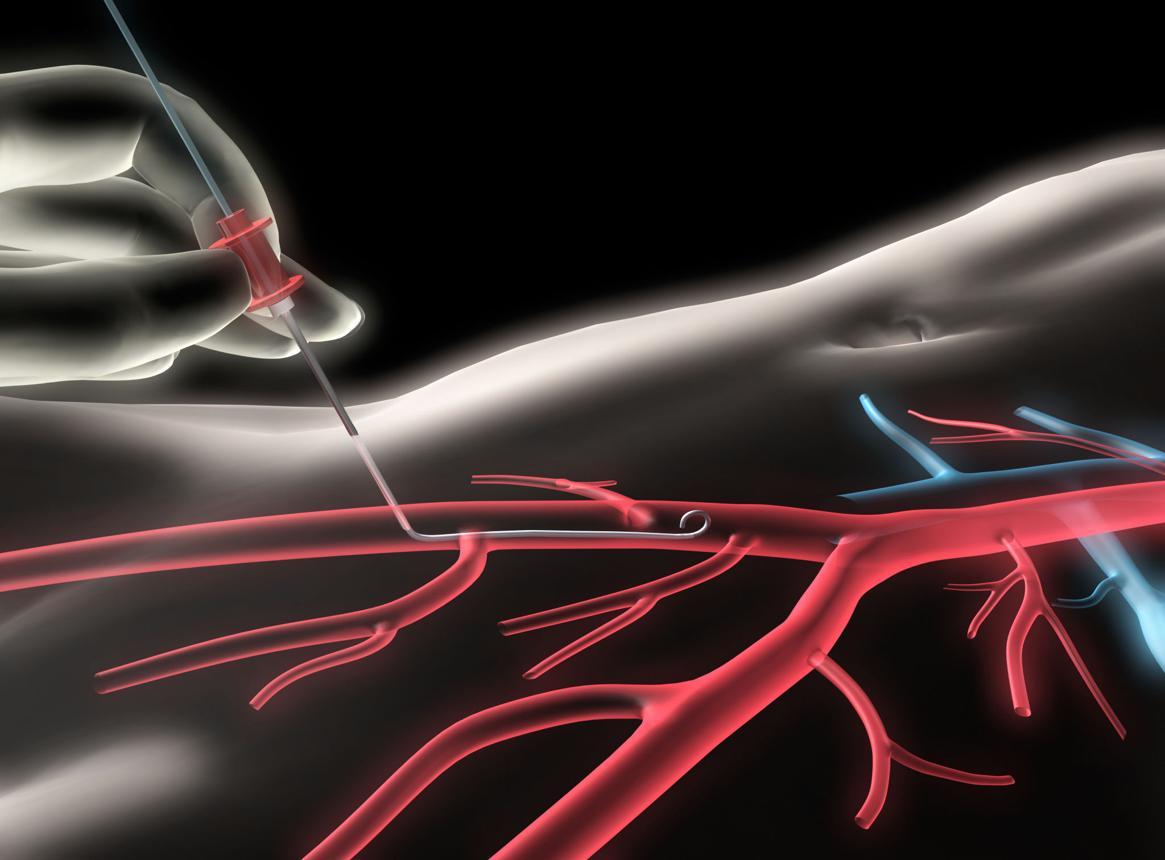
Kimyo University Hospital is one of the leading multidisciplinary medical centers in Tashkent, providing modern angiography, interventional cardiology, endovascular surgery, and vascular treatment services. Our specialists perform a wide range of minimally invasive procedures that allow diagnosis and treatment through blood vessels without large surgical incisions.
Using modern angiographic equipment and international treatment approaches, our team provides comprehensive care for cardiovascular, neurological, oncological, and peripheral vascular diseases.
Angiography is a specialized imaging procedure used to evaluate blood vessels by introducing a contrast agent and obtaining real-time images of blood flow. It helps physicians detect narrowing, blockages, aneurysms, vascular malformations, and other circulatory disorders.
In many cases, angiography is not only a diagnostic procedure but also allows treatment to be performed during the same session.
Angiography may be recommended for:
• Chest pain and suspected coronary artery disease
• Heart attack assessment and treatment planning
• Cerebral artery stenosis and stroke prevention
• Peripheral artery disease
• Kidney artery stenosis
• Vascular abnormalities and malformations
• Chronic venous disorders
• Congenital heart defects
• Diabetic foot syndrome
• Oncology-related vascular interventions
• Dialysis access complications
• Uterine fibroids and adenomyosis
• Pelvic congestion syndrome
• Benign prostatic hyperplasia (BPH)
• Coronary angiography (coronarography)
• Coronary artery stenting
• Diagnosis and catheter-based treatment of congenital heart defects
• Alcohol septal ablation for obstructive hypertrophic cardiomyopathy
• Stenting of extracranial and intracranial cerebral artery stenosis
• Embolization of arteriovenous malformations (AVMs)
• Stenting of subclavian artery stenosis
• Renal artery stenting
• Stenting of other major arterial stenoses
• Balloon angioplasty of lower limb arteries
Diabetic foot syndrome can lead to severe circulation problems and increase the risk of amputation. Balloon angioplasty of leg arteries helps restore blood flow and may assist in limb preservation when clinically appropriate.
• Modern treatment of May-Thurner syndrome
• Modern treatment of varicocele
• Recanalization of veins in post-thrombotic syndrome
• Uterine artery embolization for uterine fibroids
• Uterine artery embolization for adenomyosis
• Pelvic varicose vein embolization
• Prostatic artery embolization for benign prostatic hyperplasia (BPH)
• Selective chemoembolization for liver tumors and other oncological diseases
• Partial splenic artery embolization for hypersplenism
• Preoperative vessel occlusion to reduce bleeding during major surgery
• Arteriovenous fistula angioplasty for dialysis patients
• Venous port implantation for chemotherapy
• Inferior vena cava (IVC) filter placement
• Microwave or thermal ablation of thyroid nodules without surgical incision
• Minimally invasive procedures
• Smaller puncture sites instead of large surgical incisions
• Shorter recovery times
• Reduced hospital stay in many cases
• Modern image-guided treatment
• Simultaneous diagnosis and treatment in selected procedures
• Personalized treatment planning
Kimyo University Hospital combines advanced angiography technology with experienced specialists in interventional cardiology, endovascular surgery, vascular medicine, and minimally invasive treatment. Our goal is to provide accurate diagnosis and evidence-based treatment using modern endovascular techniques whenever appropriate.