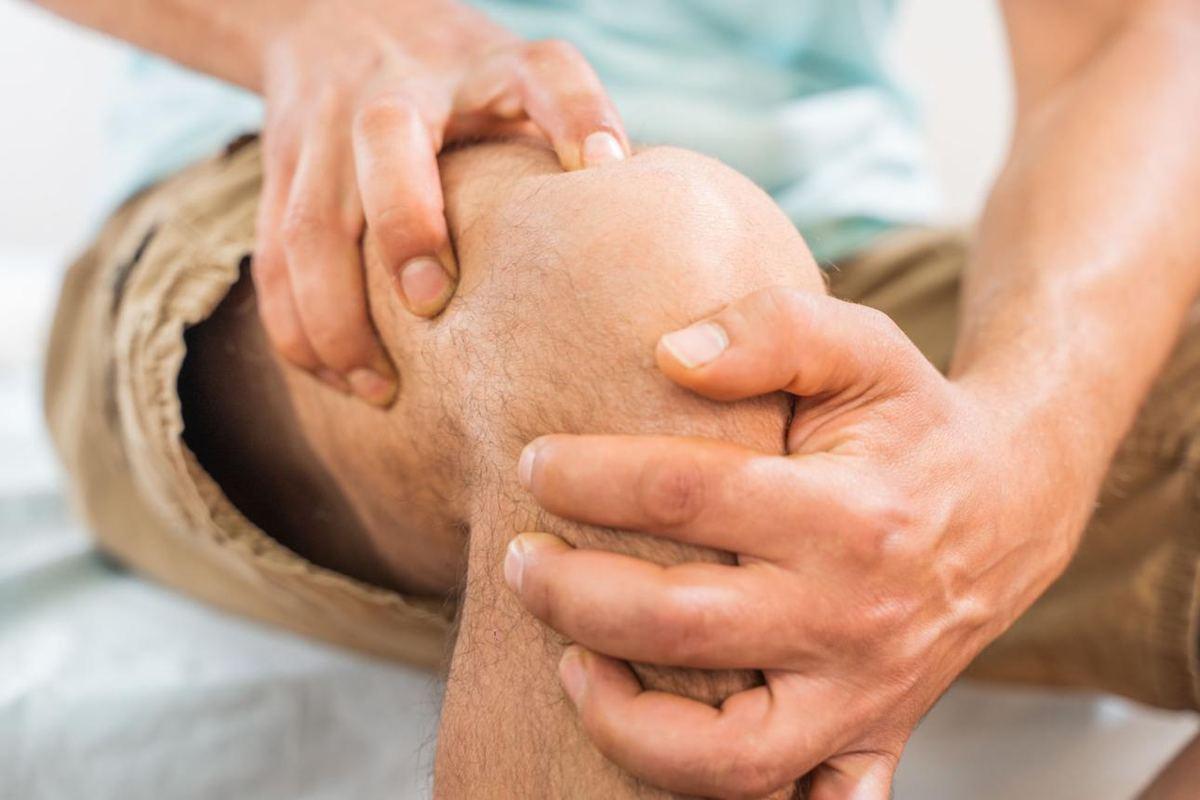
Joint pain is a common problem that affects people of all ages. Sometimes it appears after physical activity, long walking, sports, or exposure to cold, and sometimes it becomes constant and makes it difficult to move, work, and rest normally.
If your joints hurt regularly, become swollen, feel stiff in the morning, or the pain gets worse over time, you should not delay seeing a doctor. The sooner the cause is found, the easier it is to choose the right treatment and avoid complications.
If a joint starts hurting after physical activity and feels better within one or two days, the cause may be temporary. But if the pain returns, gets stronger, or is accompanied by other symptoms, it is time to see a specialist.
You should pay attention if:
joint pain lasts for several days and does not go away;
swelling, redness, or warmth appears;
movement becomes limited;
there is stiffness in the morning;
pain gets worse when walking, climbing stairs, or exercising;
the joints click, crack, or look changed;
pain affects one joint or several joints at the same time.
These symptoms may indicate not only simple overuse, but also inflammation, age-related changes, injury, or disorders of the musculoskeletal system.
If your joints hurt, the first specialist is often an orthopedic doctor. This doctor treats bones, joints, ligaments, the spine, and other structures of the musculoskeletal system. Orthopedic doctors help with pain in the knees, shoulders, elbows, hips, hands, and feet.
If the pain is associated with inflammation, swelling, morning stiffness, or several joints are affected, a rheumatologist may also be needed. In some cases, a traumatologist is required, especially if the pain started after a bruise, fall, or dislocation.
Sometimes people do not know which doctor to see for joint pain and start treating themselves. But it is better to begin with a consultation so the doctor can assess the symptoms and explain which examination is needed in your case.
You should see an orthopedic doctor if joint pain is related to:
physical strain;
an awkward posture;
poor posture;
flat feet;
the effects of an injury;
limited movement;
a change in joint shape;
pain in the knee, shoulder, elbow, hip, or hand.
An orthopedic doctor evaluates not only the joint itself, but also how the entire musculoskeletal system works. This is especially important if the pain keeps coming back, makes it difficult to walk, climb stairs, get up after sleep, or do daily activities.
If joint pain is accompanied by swelling, morning stiffness, weakness, elevated temperature, or if several joints hurt at once, the doctor may refer you to a rheumatologist.
A rheumatologist is needed when inflammatory joint diseases, autoimmune processes, or systemic disorders are suspected. In such cases, it is important not to delay diagnosis, because early treatment helps preserve joint mobility and reduce the risk of complications.
If joint pain appears after a fall, удар, sports activity, or a sudden movement, a traumatologist may be needed. This specialist checks whether there is damage to ligaments, dislocation, sprain, fracture, or another injury.
It is especially important to see a doctor if after an injury:
the joint swells;
it is difficult to put weight on the leg;
pain becomes much stronger with movement;
instability appears;
movement becomes limited.
Patients most often complain of pain in:
the knee joint;
the hip joint;
the shoulder joint;
the elbow joint;
the joints of the hands;
the joints of the feet.
Knee pain is often related to overload, excess weight, sports injuries, or age-related changes. Shoulder pain often appears after strain, sleeping in an awkward position, or inflammation. Hip pain can make walking and standing up difficult, while hand pain is often associated with inflammatory processes or overuse.
There can be many reasons for joint pain. The most common include:
physical overuse;
injury;
inflammation;
age-related changes;
metabolic disorders;
excess weight;
flat feet;
a sedentary lifestyle;
uncomfortable shoes;
long periods in one position.
Sometimes joint pain is not caused by the joint alone, but by problems in the muscles, ligaments, spine, or nerves. That is why it is important not to rely only on pain relief, but to find the real cause.
You should seek urgent medical care if joint pain is accompanied by:
significant swelling;
redness;
increased skin temperature over the joint;
severe stiffness;
inability to move normally;
joint deformity;
sharp pain after an injury;
pain that quickly gets worse;
fever.
These signs may indicate serious inflammation, injury, or another condition that requires medical evaluation.
For joint pain, the doctor may order tests to determine the cause of the symptoms. This usually depends on the complaints, the examination, and the suspected diagnosis.
Diagnosis may include:
examination by an orthopedic doctor or rheumatologist;
review of symptoms and medical history;
X-ray;
joint ultrasound;
MRI if indicated;
laboratory tests.
You should not choose the examination on your own. It is better to first have a consultation so you do not undergo unnecessary tests and can get the correct answer faster.
At Kimyo University Hospital, patients with joint pain can consult experienced specialists who help determine the cause of the pain, assess joint condition, and recommend the next steps. The clinic has doctors who work with musculoskeletal problems and help patients understand which specialist they should see.
If joint pain makes it difficult to walk, work, exercise, or appeared after an injury, you should not wait for it to go away on its own. A professional consultation helps identify the source of the problem and start the right treatment sooner.