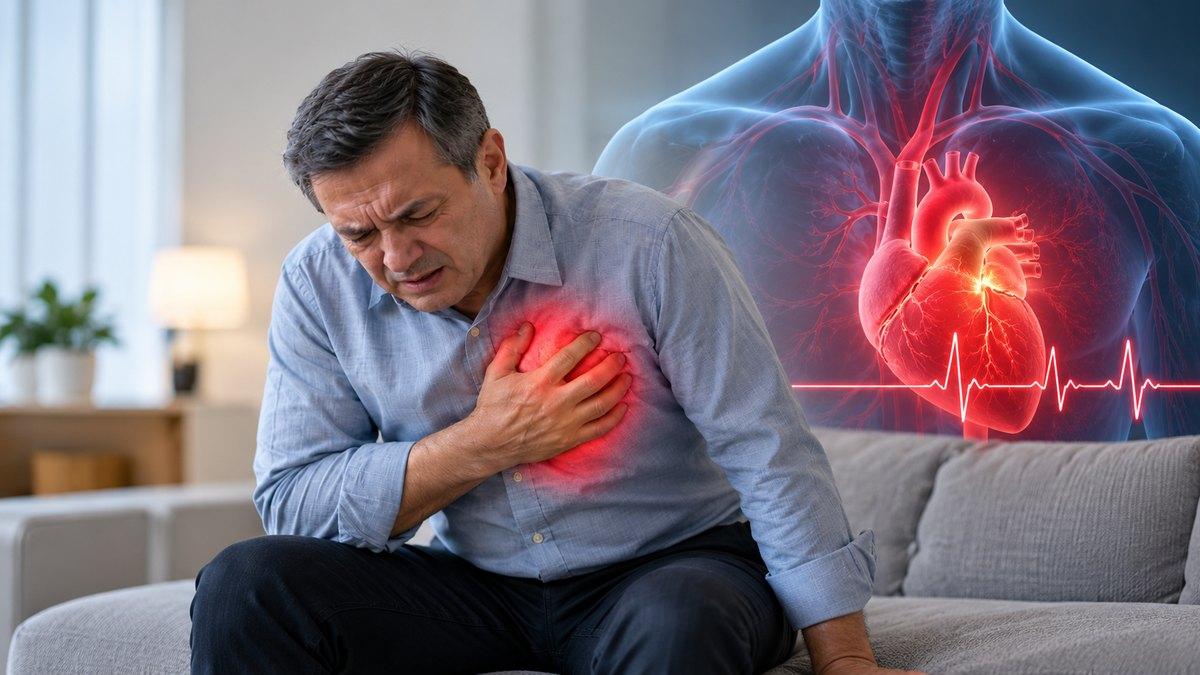
A myocardial infarction, commonly known as a heart attack, is a serious medical emergency that occurs when blood flow to part of the heart muscle is reduced or blocked. Without timely medical treatment, this can cause irreversible damage to the heart and lead to serious complications.
How can you recognize the early signs of a heart attack? Who is at risk, and what modern diagnostic and treatment methods are available? The specialists at Kimyo University Hospital explain the key information everyone should know.
A myocardial infarction occurs when the blood supply to part of the heart muscle is significantly reduced or interrupted. In most cases, it is caused by a blood clot blocking a coronary artery affected by atherosclerosis.
The sooner blood flow is restored, the greater the chance of limiting damage to the heart muscle. If a heart attack is suspected, emergency medical assistance must be sought immediately.
The main symptoms of a myocardial infarction include:
Chest pain or pressure: A feeling of tightness, heaviness or discomfort in the chest.
Pain spreading to other areas: Discomfort may radiate to one or both arms, shoulders, back, neck or jaw.
Shortness of breath: Difficulty breathing, even at rest.
Cold sweats and sudden weakness.
Nausea, dizziness or feeling faint.
Symptoms may develop suddenly or gradually. Some heart attacks occur without severe chest pain, particularly in older adults and people with diabetes.
If you or someone nearby experiences these symptoms, do not wait for the condition to worsen.
If symptoms of a possible heart attack appear:
Call emergency medical services immediately.
Stop physical activity and help the person sit in a comfortable position.
Stay with the person until medical professionals arrive.
Do not administer medication unless instructed by a medical professional or emergency dispatcher.
If the person becomes unconscious and is not breathing normally, follow the emergency dispatcher's instructions for cardiopulmonary resuscitation (CPR).
Do not attempt to drive yourself to the hospital. Even if the pain disappears, a heart attack cannot be ruled out.
The most common underlying cause is atherosclerosis of the coronary arteries. Several factors can increase the risk of a heart attack:
High blood pressure.
High cholesterol levels.
Diabetes.
Smoking.
Excess body weight and physical inactivity.
An unbalanced diet.
Older age and a family history of cardiovascular disease.
Managing these risk factors can help reduce the likelihood of cardiovascular complications.
Doctors may use several tests to identify the cause of symptoms and assess the condition of the heart.
Electrocardiography (ECG) records the heart's electrical activity and can reveal changes associated with an acute interruption of blood supply.
A blood test for cardiac troponin helps detect damage to the heart muscle.
Echocardiography (heart ultrasound) evaluates the heart's pumping function and can help identify certain complications.
Coronary angiography uses contrast imaging to assess the coronary arteries and identify narrowed or blocked vessels.
When an acute heart attack is suspected, diagnostic assessment must be performed urgently. Do not delay calling emergency services to arrange an appointment for routine testing.
The main goal of treatment is to restore blood flow to the heart muscle as quickly as possible and prevent complications.
When clinically indicated, doctors may perform percutaneous coronary intervention (PCI). A catheter is guided through a blood vessel to the affected coronary artery. A balloon may be used to widen the narrowed section, and a stent may be inserted to help keep the artery open.
Treatment may include medicines to prevent blood clots, control cholesterol levels and reduce the risk of future cardiovascular events. The treatment plan is tailored to each patient's condition.
After the patient's condition has stabilized, cardiac rehabilitation may include follow-up with a cardiologist, blood pressure and cholesterol management, a gradual return to physical activity and adherence to prescribed medication.
To help prevent cardiovascular disease:
Monitor your blood pressure regularly.
Check your cholesterol and blood glucose levels as recommended by your doctor.
Stop smoking.
Follow a balanced diet.
Maintain an appropriate level of physical activity.
Maintain a healthy body weight.
Follow medical advice for chronic conditions.
If you have cardiovascular risk factors, consult a healthcare professional about an individualized prevention plan.
If symptoms of a heart attack occur, seeking medical assistance without delay is essential. Prompt assessment, accurate diagnosis and appropriate treatment can make a significant difference to the outcome.
At Kimyo University Hospital, patients can consult medical specialists, undergo appropriate diagnostic examinations and receive recommendations for the further management of cardiovascular conditions. The scope of care is determined according to each patient's condition and medical indications.
Kimyo University Hospital also has an ambulance vehicle for emergency medical assistance.
Ambulance call number-1413
Do not ignore warning signs or attempt to treat a suspected heart attack yourself. If an acute heart attack is suspected, call emergency medical services immediately. Timely medical attention can help reduce the risk of serious complications.
Kimyo University Hospital — professional medical care and a commitment to every patient's health.