Stroke is a dangerous condition in which blood supply to the brain is disrupted. Without timely medical care, it can lead to irreversible brain damage, loss of speech, weakness and paralysis.
How can you recognize the first signs of a stroke, who is at risk, and which modern diagnostic and treatment methods are used? The specialists of Kimyo University Hospital explain the most important things everyone should know.
What is a stroke?
A stroke occurs when blood supply to an area of the brain is suddenly disrupted. Brain cells stop receiving oxygen and nutrients and begin to die.
There are two main types of stroke:
– Ischemic stroke — occurs when a blood vessel in the brain is blocked by a blood clot or an atherosclerotic plaque. It accounts for most cases.
– Hemorrhagic stroke — occurs when a blood vessel ruptures and bleeds into the brain tissue.
A transient ischemic attack (TIA, or "mini-stroke") is also distinguished: symptoms appear suddenly but resolve within minutes or hours. This is not a harmless condition but a serious warning sign of a future stroke that requires urgent examination.
The earlier treatment is started, the greater the chance of preserving brain function. Therefore, if a stroke is suspected, you must seek emergency medical care immediately.
First symptoms of a stroke
The main signs of a stroke:
– Facial asymmetry — a crooked smile or a drooping corner of the mouth.
– Weakness or numbness in an arm, a leg or one side of the body, most often on one side.
– Speech difficulty — slurred speech, trouble finding words, or inability to understand what is said.
– Sudden loss of vision in one or both eyes, or double vision.
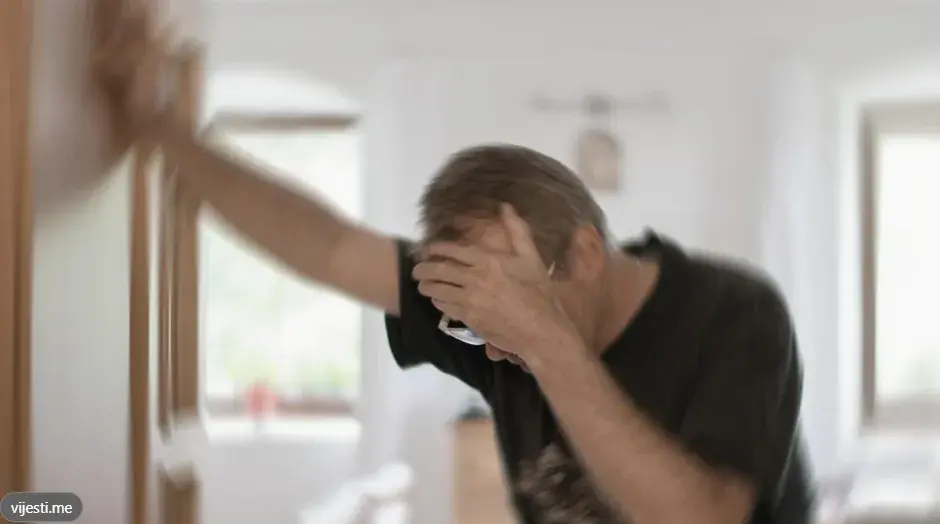
– Sudden dizziness, loss of balance, or poor coordination of movements.
– Sudden severe headache with no obvious cause.
– Confusion, drowsiness or loss of consciousness.
Symptoms appear suddenly. For a quick check, you can use a simple test: ask the person to smile, raise both arms and say a simple sentence. If the smile is uneven, one arm drifts downward or speech is impaired, call an ambulance immediately.
Even if the symptoms disappear, this does not rule out a TIA or a stroke.
What to do if you suspect a stroke?
If symptoms of a possible stroke appear:
– Call an ambulance immediately.
– Remember or write down the time when the first symptoms appeared — this is important for choosing the treatment approach.
– Lay the person down with the head and shoulders slightly raised, loosen tight clothing and provide fresh air.
– If the person vomits, turn their head to the side.
– Do not give food or drink: swallowing may be impaired during a stroke.
– Do not give any medication, including aspirin and blood pressure drugs, without a doctor's instructions: in a hemorrhagic stroke this can cause harm.
– Do not leave the person alone until medical specialists arrive.
– If the person loses consciousness and is not breathing normally, follow the dispatcher's instructions for cardiopulmonary resuscitation.
– Do not take the person to the hospital yourself — call an ambulance: doctors will begin providing care on the way.
Why does a stroke occur?
The most common causes are atherosclerosis of the arteries of the brain and neck, as well as blood clots that form in the heart during rhythm disorders. The risk of stroke is increased by the following factors:
– high blood pressure;
– atrial fibrillation and other heart rhythm disorders;
– diabetes mellitus;
– high cholesterol;
– smoking and excessive alcohol consumption;
– excess body weight and low physical activity;
– an unbalanced diet;
– age, hereditary predisposition, and a previous stroke or TIA.
How is a stroke diagnosed?
To determine the type of stroke and assess the condition of the brain, a doctor may order several examinations.
– A neurologist's examination allows assessment of speech, movement, sensation, vision and coordination.
– Computed tomography (CT) of the brain helps quickly distinguish ischemic stroke from hemorrhagic stroke, which determines the treatment approach.
– Magnetic resonance imaging (MRI) of the brain shows the area of damage and provides a more detailed picture of the changes.
– CT or MR angiography allows assessment of the brain's blood vessels and identification of the site of blockage or rupture.
– Duplex ultrasound of the neck and head vessels helps detect narrowing and atherosclerotic plaques.
– ECG and echocardiography (heart ultrasound) help detect rhythm disorders and other possible sources of blood clots.
– Blood tests (glucose, lipid profile, coagulation parameters) are needed to assess risk factors and select therapy.
If an acute stroke is suspected, examination is carried out urgently. You should not delay calling an ambulance in order to book tests on your own.
Modern treatment methods for stroke
The main goal of treatment is to restore or protect blood supply to the brain as quickly as possible, limit the area of damage and prevent complications.
Treatment of ischemic stroke
When indicated, and within a certain time from the onset of symptoms, the doctor may use methods to restore blood flow: dissolving the clot with special medications (thrombolytic therapy) or endovascular removal of the clot.
Treatment of hemorrhagic stroke
Treatment is aimed at stopping the bleeding and controlling blood pressure and intracranial pressure. When indicated, neurosurgical intervention may be required.
Drug therapy
Treatment may include medications to control blood pressure, prevent blood clots, lower cholesterol, protect brain cells and prevent complications. The treatment plan is selected by the doctor individually.
Rehabilitation after a stroke
Recovery begins as early as possible and may include physical therapy, speech therapy, training in self-care skills, and follow-up with a neurologist and a cardiologist. Regular rehabilitation helps restore lost functions and reduces the risk of another stroke.
How to reduce the risk of stroke?
To prevent vascular diseases, it is recommended to:
– regularly monitor blood pressure;
– check blood cholesterol and glucose levels;
– if you have heart rhythm disorders, be followed by a cardiologist and follow their recommendations;
– quit smoking and limit alcohol;
– follow a balanced diet;
– stay physically active, taking your health condition into account;
– control body weight;
– follow your doctor's recommendations for chronic diseases.
If you have risk factors, discuss an individual prevention plan with your doctor.
Timely medical care at Kimyo University Hospital
If symptoms of a stroke appear, it is important not to delay seeking medical care.
At Kimyo University Hospital, patients can receive a consultation with specialists, undergo the necessary diagnostic examinations and receive recommendations for further treatment and rehabilitation. Depending on the patient's condition and medical indications, the specialists determine the necessary scope of care.
The hospital offers:
– MRI of the brain and blood vessels on a modern scanner;
– ultrasound, including duplex scanning of blood vessels;
– angiography and endovascular methods of diagnosis and treatment on the uAngio AVIVA CX system;
– functional diagnostics, including ECG and echocardiography;
– a neurosurgery department;
– an intensive care and resuscitation department;
– a rehabilitation department for recovery after a stroke.
Kimyo University Hospital also has an ambulance.
Ambulance call: 1413
Do not ignore warning symptoms and do not self-medicate. If you suspect a stroke, call emergency services immediately. Timely contact with specialists can help reduce the risk of serious complications.
Kimyo University Hospital — professional medical care and attentive treatment for every patient.